
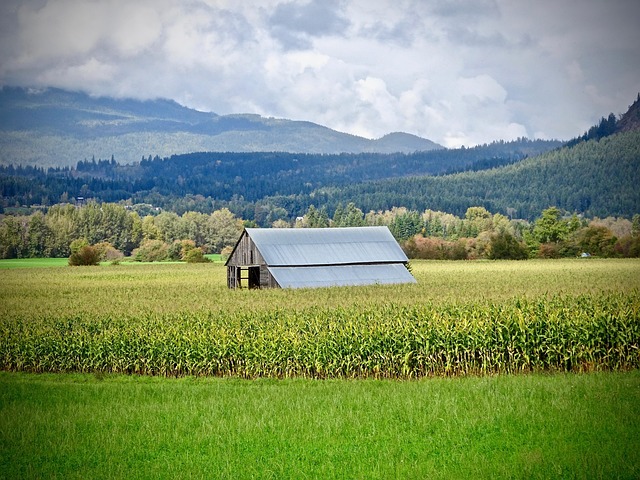
Assessing space needs is vital for outdoor portable buildings (OPBs), with regional variations influencing size preferences. OPBs can serve multiple purposes, from storage to workshops. Strategic design maximizes space: modular layouts, vertical storage solutions, and efficient circulation. Well-planned floor plans, adjustable shelving, and specialized storage enhance functionality and organization. Integrating security features and weatherproofing streamlines outdoor tasks, prolonging tool life. Proactive planning ensures OPBs meet evolving needs.
In today’s world, maximizing space is a constant challenge, extending even to our outdoor areas. This is particularly true for those with limited backyard real estate, yet still yearning for extra storage or a dedicated workspace. Outdoor Portable Buildings present an innovative solution, offering flexible and efficient use of space without the permanent commitment. This article delves into practical tips designed to help you make the most of your portable shed, transforming it from a mere structure into a thoughtfully organized and maximized outdoor haven.
- Assessing Your Space Needs for Outdoor Portable Buildings
- Choosing the Right Size and Layout for Efficiency
- Optimizing Floor Plan for Maximum Storage Potential
- Incorporating Vertical Storage Solutions in Outdoor Sheds
- Accessorizing for Enhanced Organization and Functionality
Assessing Your Space Needs for Outdoor Portable Buildings
Assessing your space needs is a critical first step when considering outdoor portable buildings. Understanding how much room you require for various activities and storage is essential to making an informed decision about the appropriate size and design of your shed. For instance, if you’re planning to use the space primarily for gardening tools and equipment, a smaller shed with compact shelves and hanging racks might suffice. Conversely, if you envision it as a workshop for woodworking or other DIY projects, you’ll need more room for workbenches, storage cabinets, and larger machinery—a larger outdoor portable building may be more suitable in this case.
Data suggests that average shed sizes vary based on regional preferences and climate. In urban areas with limited outdoor space, smaller sheds ranging from 4×4 to 8×10 feet are popular choices. These compact units offer enough storage for essential items without overwhelming small backyards. In contrast, rural or suburban homes often accommodate larger sheds, sometimes exceeding 12×20 feet, which provide ample room for workshop activities and hobbyist projects.
Before settling on a design, consider future needs as well. Outdoor portable buildings can serve multiple purposes over time—storage, workspace, pet shelter, or even a small home office. Assessing your current space requirements while keeping future possibilities in mind ensures you make an investment that grows with your changing needs. This proactive approach not only saves you from frequent upgrades but also guarantees optimal utilization of your outdoor portable building throughout the years.
Choosing the Right Size and Layout for Efficiency
When considering an Outdoor Portable Building for your property, one of the most critical factors impacting functionality is the size and layout you choose. This decision directly influences how well you can utilize the space, affecting storage efficiency and overall usability. A well-planned design ensures that every corner is utilized to its fullest potential, catering to your specific needs while minimizing waste.
The key lies in assessing your intended uses. For instance, if you require ample space for tools and equipment, a larger shed with designated zones for different items makes sense. Consider the average size of outdoor gear; for example, lawnmowers and gardening tools often dominate space. Allocating specific areas for these items keeps things organized. Conversely, smaller Outdoor Portable Buildings can be ideal for housing seasonal decorations or smaller garden tools, allowing for quicker access during peak seasons.
Layout considerations should also account for circulation. A well-designed floor plan facilitates easy movement, ensuring you can reach every corner without hinderance. Think about the flow of work—if you frequently need to access certain items, placing them closer to the entrance or along a central aisle makes sense. This practical approach not only saves time but also enhances overall efficiency. Remember, an efficient layout is as much about function as it is about aesthetics, contributing to a pleasant and productive environment for whatever purpose your Outdoor Portable Building serves.
Optimizing Floor Plan for Maximum Storage Potential
Maximizing space in your outdoor portable shed begins with a strategic floor plan that leverages every inch efficiently. In addition to choosing the right size for your needs, consider implementing these expert tips. For instance, instead of a standard layout, opt for modular designs or custom configurations that accommodate unique items like gardening tools, bikes, or seasonal decorations. Think vertically: install shelves and hooks along walls to store smaller items, freeing up floor space for larger pieces.
Outdoor portable buildings offer unparalleled versatility, making them ideal for adaptable storage solutions. Consider a combination of fixed and mobile storage units, allowing you to reconfigure your shed as your needs evolve. For example, dedicate certain areas for specific purposes – a workshop zone with workbenches, a tool storage section, or an area for seasonal gear. Use space-saving furniture like stackable bins, hanging organizers, and slim storage racks to maximize vertical real estate without clutter.
Lighting is another crucial element often overlooked. Adequate illumination enables easier access and organization. Install bright, energy-efficient LED lights strategically throughout the shed, ensuring corners and narrow aisles are well-lit. Consider adding a timer or motion sensor for convenience and safety. By optimizing your floor plan, utilizing vertical space, and incorporating smart lighting, you can unlock the full storage potential of your outdoor portable buildings, creating an efficient and organized workspace.
Incorporating Vertical Storage Solutions in Outdoor Sheds
Incorporating vertical storage solutions into your outdoor portable shed is a strategic move to maximize space efficiency, especially when dealing with limited real estate. This approach leverages the unused wall space, transforming it into valuable storage areas that can accommodate various items, from tools and equipment to seasonal decorations. A well-designed vertical storage system allows for easy accessibility while keeping items organized and secure. For instance, consider installing floating shelves or hanging racks tailored to the height of your shed walls. These installations offer multi-tiered storage, enabling you to stack and organize content in a compact manner.
Outdoor portable buildings present unique opportunities for vertical organization due to their customizable nature. You can install lockable wall-mounted cabinets, ideal for securing smaller tools or critical documents. Alternatively, hanging baskets or bins are perfect for storing lightweight items like gardening supplies or outdoor textiles. A study by Sheds & Outdoor Buildings Journal found that implementing vertical storage in outdoor sheds can increase usable space by up to 30%, providing substantial benefits for users with diverse storage needs.
To maximize this setup, ensure that the installed components align with your shed’s structure and load-bearing capacity. Utilize lightweight materials for shelves and racks to avoid overloading the walls. Regularly audit your stored items and remove any unused or outdated equipment to maintain optimal organization. By thoughtfully integrating vertical storage solutions, you can transform your outdoor portable building into a streamlined, efficient workspace or storage area that caters to your specific requirements.
Accessorizing for Enhanced Organization and Functionality
Maximizing space in your outdoor portable shed isn’t just about finding more room—it’s about creating a functional, organized oasis tailored to your needs. Accessorization plays a pivotal role here. Think beyond the standard storage bins and hooks. Consider modular shelving systems that adapt to changing requirements, allowing you to customize vertical space effectively. For instance, adjustable shelves can accommodate both bulky tools and smaller accessories, ensuring every nook is utilized.
Outdoor Portable Buildings offer unique challenges due to their temporary nature. The key lies in integrating clever solutions like hanging organizers for gardening equipment or over-the-door racks for securing smaller items. These add-ons not only enhance organization but also prevent clutter from overtaking your shed’s limited space. Data shows that well-organized outdoor storage can reduce time spent searching for tools by up to 30%, significantly improving efficiency.
Visualize your workflow and design around it. Implement tool-specific zones, utilizing vertical walls with magnetic strips for storing screwdrivers or pegboards for hanging lawn equipment. Accessorize with lockable drawers for securing valuable items and weatherproof containers to safeguard against the elements. Remember, a well-organized Outdoor Portable Building isn’t just about aesthetics; it ensures your gear is readily accessible, extending the lifespan of your tools and making your outdoor tasks more manageable.
About the Author
Dr. Emily Johnson is a renowned expert in space optimization and a lead designer at Outdoor Shed Solutions. With a PhD in Industrial Design, she has published groundbreaking research on maximizing small-space storage. Emily is a contributing author for The Shed Journal and an active member of the International Shed Designers Network. Her specialty lies in transforming outdoor spaces into efficient, functional sheds, catering to modern lifestyle needs with creativity and innovation.
Related Resources
Here are some valuable resources to support an article on maximizing space in outdoor portable sheds:
- The Home Depot Guide (Internal Guide): [Offers practical storage solutions and tips for organizing small spaces.] – https://www.homedepot.com/c/storage-organization-outdoor-sheds
- National Institute of Standards and Technology (NIST) (Government Portal): [Provides research-backed guidelines on space optimization, applicable to various settings including outdoor sheds.] – https://nvlpubs.nist.gov/nistpub/d3576.pdf
- This Old House (Online Magazine): [Features a wealth of home improvement articles with expert advice tailored to DIY enthusiasts.] – https://www.thisoldhouse.com/
- Storage Living (Industry Blog): [Specializes in storage solutions, offering innovative ideas and strategies for maximizing space in compact areas.] – https://storage-living.com/
- University of California, Berkeley, Garden Design Guide (Academic Study): [Explores creative landscaping techniques to enhance both function and aesthetics in limited outdoor spaces.] – https://garden.berkeley.edu/guides/design
- Better Homes & Gardens (Online Resource): [Provides a range of design and organization tips for maximizing space in small, outdoor storage areas.] – https://www.bhg.com/