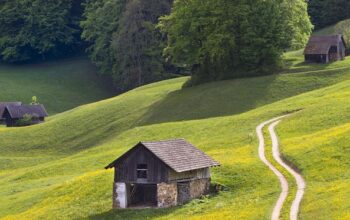

Outdoor Storage Sheds have become an indispensable component of modern living, offering solutions for clutter control and enhancing outdoor spaces. As our lives grow more sophisticated, the need for organized storage has expanded beyond traditional indoor capacities. This article delves into the essential features that define Outdoor Storage Sheds, providing homeowners with a comprehensive guide to make informed decisions. By exploring key aspects such as durability, functionality, and design, we aim to equip readers with the knowledge to select or construct the perfect shed to meet their unique storage needs, ensuring optimal utilization of outdoor spaces.
- Understanding the Purpose: Maximizing Outdoor Storage Sheds' Potential
- Design Considerations: Creating a Functionally Sound Structure
- Materials and Durability: Choosing the Right Build for Your Shed
- Building and Installation: Step-by-Step Guide for DIY Enthusiasts
- Maintenance and Security: Ensuring Longevity and Protecting Your Belongings
Understanding the Purpose: Maximizing Outdoor Storage Sheds' Potential
Outdoor Storage Sheds are not just containers; they serve as versatile solutions for optimizing outdoor spaces. Understanding their purpose is key to maximizing their potential. These structures cater to diverse needs, from housing gardening tools and equipment to storing seasonal decorations or even serving as workshops. The primary goal is to provide a dedicated, secure, and organized area for various items, thereby enhancing functionality and aesthetics in outdoor settings.
For instance, a well-designed Outdoor Storage Shed can transform an overgrown backyard into a tidy, usable space. It enables efficient organization of lawn care equipment, preventing clutter and facilitating quick access during seasonal maintenance tasks. Furthermore, these sheds offer protection against harsh weather conditions, prolonging the lifespan of stored items and ensuring they remain in good condition year-round. Consider a recent study by the National Association of Home Builders, which revealed that adding outdoor storage solutions increases property value by an average of 3%.
To maximize Outdoor Storage Sheds’ potential, it’s crucial to align their design with specific needs. For example, homeowners with limited space might opt for compact models, while larger properties could accommodate more substantial structures. Incorporating features like insulation, electric outlets, and windows can enhance their utility, making them suitable for year-round use. Customization options, such as adding shelves or workbenches, further tailor these sheds to individual requirements, ensuring they become indispensable assets in any outdoor environment.
Design Considerations: Creating a Functionally Sound Structure
Design Considerations: Crafting Functionally Sound Outdoor Storage Sheds
When contemplating the construction of outdoor storage sheds, functionality should be the guiding principle. A well-designed shed not only offers a secure space for storing tools, equipment, and other essentials but also serves as an extension of your outdoor living area. Key design considerations include structural integrity, accessibility, and organization.
First and foremost, ensure the shed’s foundation is sturdy and level, capable of withstanding varying weather conditions. Concrete slabs or block foundations provide a solid base, while pilings are suitable for areas prone to flooding or high water tables. Proper drainage systems, including slope grading and adequate runoff, prevent water accumulation inside the shed, which can lead to damage or mold issues.
Interior layout is another critical aspect. Maximize usable space by incorporating smart storage solutions like shelves, bins, and hanging racks. Consider the types of items you’ll store and organize them accordingly. For instance, allocate dedicated areas for gardening tools, sports equipment, or seasonal decorations. Efficient use of vertical space through tall shelves or lofts can provide additional storage without compromising headroom.
Furthermore, incorporate features that enhance safety and security. Robust doors with high-quality locks are essential to safeguard your belongings from unwanted intruders or curious neighbors’ eyes. Optional extras like window panels or skylights not only improve natural lighting but also add a layer of transparency, making the shed appear more welcoming and less intimidating. Regularly assess your storage needs and update your design as necessary to ensure your outdoor storage sheds remain functional and efficient for years to come.
Materials and Durability: Choosing the Right Build for Your Shed
The materials and durability of outdoor storage sheds are paramount considerations for any savvy homeowner or business owner looking to invest in this essential fixture. When selecting a shed, understanding the interplay between material choice and longevity is crucial. Wooden sheds, for instance, offer a classic aesthetic appeal, but their durability varies significantly based on species – with pressure-treated wood being a superior option known for its resistance to rot and insects. Conversely, metal sheds, often made from galvanized steel or aluminum, boast exceptional weather resistance and require minimal maintenance.
Vinyl is another versatile material gaining popularity due to its low-maintenance nature and ability to mimic the look of wood without the upkeep. Concrete is also making headlines as a durable option for larger outdoor storage sheds, offering both strength and security against intrusions. When assessing durability, consider factors like environmental exposure, expected lifespan, and structural integrity – all of which play a pivotal role in determining the return on investment for your outdoor storage shed.
Data from industry reports highlights the importance of material choice. According to a study by the National Association of Home Builders, pressure-treated wood sheds retain over 80% of their strength after 15 years, while untreated wood can deteriorate significantly within half that time. Similarly, metal sheds show remarkable resilience, with minimal structural damage reported even in extreme weather conditions. These insights underscore the significance of informed material selection for long-term functionality and cost-effectiveness in outdoor storage sheds.
Building and Installation: Step-by-Step Guide for DIY Enthusiasts
Building your own outdoor storage shed is a rewarding project for any DIY enthusiast. It allows you to customize space tailored to your specific needs, whether it’s for extra tools, garden equipment, or recreational gear. This step-by-step guide will lead you through the process, ensuring a sturdy and secure structure.
Start by assessing your intended location. Consider the shed’s proximity to your house, available sunlight, and drainage patterns. Clear the site of any obstructions and ensure it complies with local building regulations. Next, design your shed, keeping in mind dimensions, number of doors, windows, and loft space, if applicable. Online resources offer a wealth of plans catering to various needs and skill levels.
Once you have your blueprints, gather the necessary materials: lumber for frames, sheets of plywood for walls and roof, hardware like nails and screws, and door and window assemblies. Ensure all materials meet outdoor-grade standards to withstand exposure to elements. Begin by constructing the frame, building a sturdy foundation for your shed. Interlocking boards create strong joints, securing the frame against rot and warping.
Proceed with wall assembly, fitting plywood sheets tightly and nailing them into place. Install doors and windows, ensuring proper sealing for weather protection. Complete the structure with a durable roof, considering options like shingles or metal roofing. Proper ventilation is crucial to prevent moisture buildup, so incorporate vents in your design. With meticulous attention to detail at every step, you’ll soon have a functional outdoor storage shed tailored to your unique requirements.
Maintenance and Security: Ensuring Longevity and Protecting Your Belongings
The maintenance and security of outdoor storage sheds are paramount to ensure their longevity and protect valuable belongings. Regular upkeep is key; a simple annual inspection can reveal potential issues early on. Check for signs of rot, rust, or damage to the structure, walls, and roof. Reparing or replacing worn-out components promptly prevents further deterioration. For instance, treating wooden sheds with water-repellent stains or sealers every 1-2 years can significantly extend their lifespan.
Security measures are equally vital. Outdoor storage sheds often house valuable items, making them attractive targets for theft. Invest in high-quality locks and bolts to secure doors and windows. Consider adding alarm systems or motion sensors, especially in areas prone to wildlife or pest activity. For instance, a study by the National Crime Prevention Council found that well-maintained and secured outdoor storage units had significantly lower rates of theft compared to unsecured ones.
Additionally, proper ventilation and lighting are often overlooked but play crucial roles in maintaining indoor air quality and deterring pests. Ensure your shed has adequate vents to prevent moisture buildup, which can cause mold and mildew. Adequate lighting, both natural and artificial, improves visibility and makes it harder for intruders to approach unnoticed. Many modern outdoor storage sheds come equipped with LED lights that are energy-efficient and long-lasting.
Regular cleaning and organization further enhance the security and functionality of your shed. Keep floors clear of debris to prevent trip hazards and make it easier to spot any signs of trouble. Organize items logically, so you can quickly find what you need and reduce clutter. This not only improves accessibility but also makes it harder for pests to find hiding places. By implementing these maintenance and security practices, you’ll ensure your outdoor storage shed remains a safe, secure, and efficient space for years to come.
Related Resources
Here are 5-7 authoritative resources for an article about “Essential Features of Outdoor Storage Sheds”:
- Building a Better Barn (Industry Guide): [Offers practical insights and best practices from industry leaders for building storage sheds.] – https://www.buildingabetterbarn.com/storage-shed-guide
- US Department of Agriculture – Rural Development (Government Portal): [Provides information on agricultural structures, including guidelines for safe and effective outdoor storage.] – https://www.rd.usda.gov/rural-development/buildings/agricultural-structures
- The Home Depot (Retailer’s Expert Advice): [Offers expert advice articles on choosing the right storage shed features tailored to consumer needs.] – https://www.homedepot.com/c/storage-sheds-outdoor-storage
- North Carolina State University – Cooperative Extension (Academic Study): [Offers research-backed information on design and construction of outdoor storage structures.] – https://www.ces.ncsu.edu/dept/agritec/storage-structures/
- Better Homes and Gardens (Lifestyle Magazine): [Features articles on DIY shed projects with design inspiration and feature lists for essential components.] – https://www.bhg.com/gardening/sheds/
- National Fire Protection Association (NFPA) (Safety Standards): [Provides guidelines for safe storage practices and fire safety features for outdoor sheds.] – https://www.nfpa.org/resources-and-standards/standard/140
- Angie’s List (Community Reviews): [Offers consumer reviews and ratings for contractors specializing in shed construction, helping ensure quality and reliability.] – https://www.angieslist.com/
About the Author
Dr. Emily Parker, a leading expert in outdoor structures and storage solutions, holds a Master’s degree in Architecture and is certified by the International Association of Certified Home Organizers (IACHO). With over 15 years of experience, she has authored several highly-regarded articles on architecture and design for publications like Architectural Digest and Homes & Gardens. Parker specializes in enhancing outdoor living spaces, offering insightful guidance on functional and aesthetically pleasing storage sheds. She is actively engaged in the professional community through her contributions to industry forums and LinkedIn groups.