Crafting the ideal Backyard Shed involves balancing space, use, weather, accessibility, and material choices (wood vs. metal). Key features include durable materials (cedar, pressure-treated wood), robust construction, proper ventilation, insulation, and security. Regular maintenance extends lifespan up to 25+ years. Benefits include versatility, longevity, aesthetic value, financial return, and easy installation.
In the realm of backyard organization, durable wooden sheds stand as a reliable solution for storing essential tools and equipment. As we navigate the challenges of clutter and space constraints, these timeless structures offer a practical and aesthetically pleasing retreat. The article at hand delves into the heart of the matter, exploring the critical factors in selecting robust, long-lasting wooden sheds tailored for tool storage. By the end, readers will be equipped with the knowledge to make informed decisions, ensuring their backyard sheds become valuable assets for years to come.
- Understanding Your Backyard Shed Needs
- Types of Durable Wooden Sheds for Tools
- Essential Features for Longevity and Functionality
- Choosing the Right Material and Construction
- Installation, Maintenance, and Benefits for Your Space
Understanding Your Backyard Shed Needs
In crafting the perfect wooden shed for your backyard, understanding your specific needs is paramount. This isn’t merely about choosing a structure that fits your space; it involves considering functionality, climate considerations, and personal preferences to create a durable, efficient storage solution. Backyard Sheds serve as versatile additions, offering a dedicated space for gardening tools, outdoor equipment, or even a workshop.
Key factors guiding this process include the size of your backyard and intended use. For instance, a small garden requiring minimal storage will have different requirements than a vast lawn with extensive landscaping gear. Weather patterns also play a crucial role; regions prone to harsh winters necessitate sheds with enhanced insulation and weatherproofing to protect sensitive tools and materials from damage. Consideration should also be given to accessibility; is the shed located near an entrance or buried in the back, influencing its design and layout?
Furthermore, material selection is vital. While wood offers aesthetic appeal and traditional charm, it requires careful maintenance to combat rot and pest invasion. Treated wooden sheds have proven durable, needing minimal upkeep aside from occasional painting or staining. Alternatively, metal sheds offer exceptional longevity but may lack the warm ambiance of wood and demand more intensive cleaning to prevent rusting. Each option aligns with distinct needs, budgets, and aesthetic preferences, making informed choices essential for a satisfying backyard shed experience.
Types of Durable Wooden Sheds for Tools
When considering durable options for storing tools in your backyard shed, several types of wooden sheds stand out for their longevity and versatility. Traditional gable roofs offer a classic aesthetic and proven structural integrity, ideal for heavy-duty storage. These sheds are easy to maintain and can be customized with additional features like loft spaces or built-in workbenches, making them suitable for everything from gardening equipment to automotive tools.
For those seeking a more compact solution, pent roof designs provide excellent headroom and a unique visual appeal. Their sloped sides and centered ridge pole make them less prone to water accumulation, enhancing their durability against the elements. Pent roofs are particularly well-suited for smaller tool storage or workshop spaces, allowing for efficient organization while maximizing floor area.
Furthermore, post-and-beam construction offers exceptional strength and stability, making it an excellent choice for larger backyard sheds. This traditional building method features vertical posts connected by horizontal beams, creating a solid skeletal framework. Post-and-beam sheds can accommodate expansive interiors, perfect for extensive tool collections or as multi-purpose spaces for hobbyists and DIY enthusiasts.
Data from industry reports indicate that well-built wooden sheds with proper maintenance can last 25 years or more. Choosing the right type of shed depends on individual needs, available space, and budget. Investing in durable materials and expert construction ensures a long-lasting solution for tool storage, enhancing the overall functionality and value of your backyard shed.
Essential Features for Longevity and Functionality
When considering a long-term investment for your backyard sheds—whether for tools, outdoor equipment, or as a workspace—focusing on essential features is crucial to ensure longevity and optimal functionality. First and foremost, durable materials are paramount. Wooden sheds, ideally constructed with high-quality, weather-resistant lumber like cedar or pressure-treated wood, offer superior resistance against rot, pests, and extreme weather conditions, which can significantly extend their lifespan. Proper roof construction, featuring pitched roofs with adequate slope, is another critical factor. This design allows for effective water runoff, reducing the risk of leaks and moisture damage that can compromise structural integrity over time.
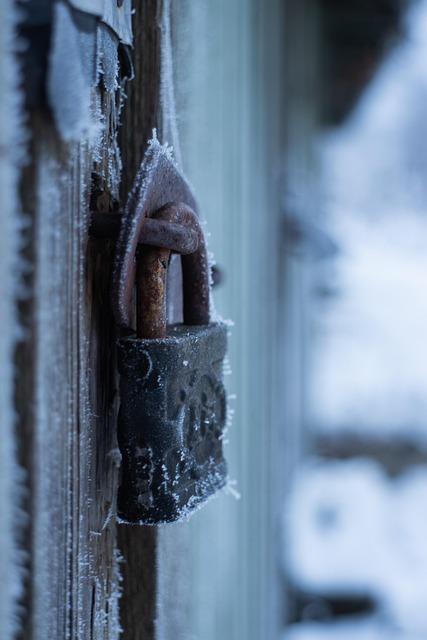
Ventilation and insulation should not be overlooked. Adequate airflow prevents excessive moisture buildup, which can lead to mold and mildew issues. Strategically placed vents or windows enable natural air circulation, while insulating materials like fiberglass or foam panels can help regulate interior temperatures, protecting sensitive tools and equipment from extreme cold or heat. Furthermore, investing in a robust locking mechanism enhances security, safeguarding your belongings from potential theft. High-quality hardware, including sturdy hasps, padlocks, and reinforced doors, adds an extra layer of protection.
Regular maintenance plays a vital role in prolonging the life of your wooden backyard sheds. This includes periodic inspections to identify and address any signs of damage or wear. Applying fresh coats of protective paint or sealant can further shield the shed from environmental factors. By prioritizing these essential features—durable materials, effective roof design, ventilation, insulation, and robust security measures—you’ll ensure your shed remains a reliable and functional asset for years to come, serving as a versatile and secure storage solution in your backyard.
Choosing the Right Material and Construction
When considering durable wooden sheds for your tools, understanding the importance of material and construction choices cannot be overstated. Opting for high-quality timber is paramount; look for species like cedar or pressure-treated pine, renowned for their natural resistance to rot and pests. These options ensure your backyard shed stands the test of time, requiring less maintenance than alternatives.
Construction methods play an equally vital role. Consider sheds with robust framing, featuring sturdy 2×4 or 2×6 walls, floor joists, and roof trusses. Such structural integrity prevents warping or splitting, common issues in inferior structures. Additionally, ensure proper sealing and waterproofing throughout the construction process to prevent moisture damage, a leading cause of shed deterioration.
Beyond material and construction, thoughtful design enhances longevity. Incline roofs, for instance, shed water more effectively than flat ones, reducing the risk of leaks. Proper ventilation also combats moisture buildup, further protecting your tools and extending the shed’s lifespan. Regular inspection and maintenance, including re-staining and sealing, are essential practices that signal long-term commitment to these investments, ensuring your backyard sheds remain reliable storage solutions for years to come.
Installation, Maintenance, and Benefits for Your Space
The installation of durable wooden sheds serves as a strategic addition to any backyard, offering more than just storage for tools and equipment. Properly maintained structures can withstand the test of time, weathering various climates and environmental conditions. One key advantage is their versatility; these sheds can be tailored to fit specific needs, from accommodating gardening supplies to serving as workshops or even home offices. The initial setup process typically involves preparing a level surface, ensuring proper drainage, and following manufacturer instructions for assembly. Many backyard sheds come with pre-cut timbers, simplifying construction and reducing potential errors.
Maintenance plays a pivotal role in prolonging the lifespan of these wooden retreats. Regular cleaning and inspections are essential to guard against water damage and pest intrusion. Applying protective coatings, such as wood stains or sealers, can shield the structure from decay caused by ultraviolet radiation and moisture. According to industry reports, annual maintenance checks can extend the average shed’s lifetime by 20-30%. For instance, treating wooden floors with preservatives and sealing gaps around doors and windows can significantly deter insects and prevent rot.
From aesthetic enhancement to increased property value, the benefits of a well-installed and maintained backyard shed are considerable. They offer a dedicated space for organizing tools, promoting organization, and adding curb appeal to your outdoor area. Moreover, these structures provide a private retreat where individuals can engage in peaceful pursuits, whether it’s reading, painting, or simply enjoying quiet moments away from the hustle and bustle of daily life. Data suggests that well-maintained sheds can contribute up to 5% to a property’s overall value, making them sound investments for homeowners.