
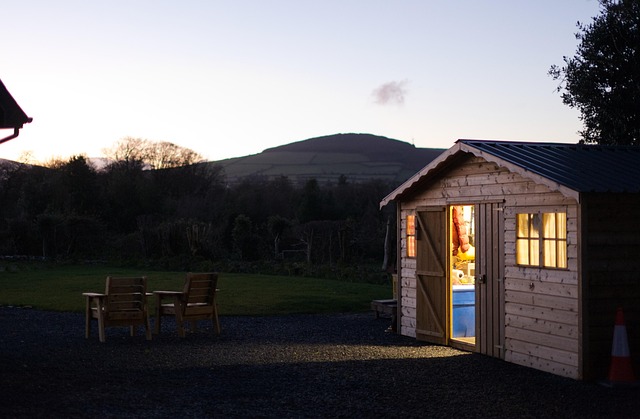
Creating productive Outdoor Portable Buildings for remote work requires strategic planning. Key considerations include space needs, climate adaptability, specific work requirements, and budget. Prioritize insulation, security, power outlets, zoning compliance, and ease of assembly. Integrate adjustable lighting, noise cancellation, and temperature control. Address weather, distractions, and physical strain with ergonomic furniture and shelters. Ensure reliable power, internet connectivity, and storage solutions. Regularly maintain buildings with cleaning, inspections, and winter protection for longevity.
In today’s dynamic work environment, the need for flexible and adaptable spaces has never been more evident. The concept of an outdoor portable office has emerged as a practical solution, offering businesses and professionals a unique opportunity to seamlessly blend work and nature. As remote work continues to gain traction, Outdoor Portable Buildings provide a versatile alternative to traditional offices or home setups. This article delves into the significance of these innovative structures, addressing the challenges of modern work while highlighting their versatility, functionality, and aesthetic appeal. Prepare to discover a game-changing approach to productivity and well-being.
- Choosing the Right Outdoor Portable Buildings for Your Needs
- Setting Up Your Space: Location and Layout Considerations
- Creating a Productive Environment: Ergonomics and Comfort
- Essential Amenities: Power, Internet, and Storage Solutions
- Maintenance and Longevity: Caring for Your Outdoor Office
Choosing the Right Outdoor Portable Buildings for Your Needs
Creating an outdoor workspace has become increasingly popular as remote work continues to shape modern professional landscapes. To maximize productivity and comfort, selecting the appropriate Outdoor Portable Buildings is paramount. This decision requires careful consideration of various factors, from space requirements and climate adaptability to specific work needs and budget constraints.
For instance, a sales team conducting client meetings outdoors will need different amenities compared to a design studio requiring ample space for large-scale drafting tables. Lightweight, collapsible options excel in versatility, suitable for temporary pop-up offices or events, while sturdier models built with weatherproof materials offer lasting solutions for year-round use.
Data from industry reports indicate that demand for customizable Outdoor Portable Buildings is on the rise, reflecting a growing acceptance of remote work arrangements and a need for adaptable spaces. When choosing, prioritize structures offering insulation for temperature control, robust locking mechanisms for security, and enough power outlets to support modern technology demands. Additionally, ensure the building complies with local zoning regulations and allows for easy assembly and disassembly when needed.
Ultimately, investing in high-quality Outdoor Portable Buildings allows professionals to seamlessly transition between indoor and outdoor environments, fostering productivity, creativity, and a deeper connection to nature – all contributing to an enhanced work experience.
Setting Up Your Space: Location and Layout Considerations
Creating an outdoor portable office requires careful consideration of location and layout to ensure productivity and comfort. The choice of setting can significantly impact your work experience, offering a range of benefits from natural light and fresh air to reduced distractions. When selecting a site, prioritize areas that provide both privacy and accessibility. For instance, a tranquil garden or a secluded patio can offer a peaceful environment, while still allowing for easy access to utilities like electricity and internet connectivity, which are essential for modern remote work.
Layout design plays a pivotal role in optimizing your workspace. Outdoor portable buildings, by their nature, provide flexibility, enabling you to customize the space according to your needs. Consider dividing the area into distinct zones: a primary work zone with a desk and comfortable seating, a storage zone for equipment and supplies, and perhaps a break or social area for relaxation. Utilize natural features like trees or strategically placed plants to create visual interest and enhance privacy. For example, positioning your desk under a shaded tree can offer relief from the sun during warmer months, while also providing a serene backdrop for focused work.
Data suggests that employees working in outdoor settings report higher levels of satisfaction and productivity. This is particularly true for those who utilize outdoor portable buildings, which can be tailored to create micro-environments that cater to specific tasks or moods. By thoughtfully integrating elements like adjustable lighting, noise-canceling features, and temperature control, you can transform your outdoor office into a versatile space capable of accommodating various work scenarios. Regularly reassess and adjust your layout to align with changing seasons and work demands, ensuring your outdoor portable office remains both functional and enjoyable throughout the year.
Creating a Productive Environment: Ergonomics and Comfort
Creating a productive outdoor workspace requires careful consideration of ergonomics and comfort to ensure sustained focus and efficiency. Unlike traditional indoor offices, outdoor portable buildings introduce unique challenges related to variable weather conditions, uneven terrains, and natural distractions. For instance, a study by Stanford University found that workers in outdoor settings demonstrated higher levels of creativity and problem-solving skills compared to their indoor counterparts. However, achieving this productivity boost necessitates the right equipment and setup.
Ergonomic furniture is a cornerstone for any effective outdoor portable office. Adjustable desks and chairs designed to support proper posture can mitigate physical strain, especially when working in varying landscapes. For instance, a retractable or adjustable stand for laptops can facilitate comfortable viewing angles regardless of location. Additionally, investing in weather-resistant accessories like waterproof keyboards and mouse pads ensures longevity and minimizes disruption due to adverse conditions.
Natural elements can enhance productivity, but they also demand thoughtful integration. Strategically placed outdoor shelters or canopies can provide refuge from direct sunlight or unexpected showers. Incorporating portable screens or partitions offers visual privacy while still allowing for natural light penetration. For instance, outdoor portable buildings that utilize translucent materials can take advantage of daylighting, reducing the need for artificial lighting and creating a more inviting workspace. Regularly reviewing and adjusting these elements based on user feedback and changing seasons is key to fostering an optimal environment.
Essential Amenities: Power, Internet, and Storage Solutions
Creating a functional outdoor workspace requires thoughtful integration of essential amenities, particularly power, internet connectivity, and storage solutions. Outdoor portable buildings, often seen as extensions of modern office spaces, demand these elements to support a productive environment. Power sources are paramount; options range from conventional electrical hooksup to solar panels or portable generators for remote locations. Adequate internet access is equally critical. High-speed fiber optic connections are ideal, but reliable LTE options can serve as a viable alternative for less populated areas.
Storage solutions play a pivotal role in organizing and securing essential tools, documents, and equipment. Lockable cabinets protect valuable items from unauthorized access while providing quick retrieval for everyday necessities. Customizable shelving units offer flexible storage, accommodating various item sizes and categories. Additionally, outdoor-rated storage containers protect gear from harsh weather conditions, extending the lifespan of equipment investments.
Implementing these amenities requires careful planning based on your specific needs and location. For instance, a remote construction site may necessitate a robust solar power system and a satellite internet connection, whereas a suburban home office could benefit from a combination of grid power and portable Wi-Fi hotspots. Professional installation or DIY approaches vary in scope and cost, reflecting the complexity of each component. Ultimately, prioritizing these essential amenities ensures your outdoor portable building functions as a productive, secure, and reliable workspace, matching the pace of today’s dynamic work environment.
Maintenance and Longevity: Caring for Your Outdoor Office
Caring for your outdoor portable office is an investment in both its longevity and functionality. These structures, often designed to withstand various weather conditions, require regular maintenance to ensure their structural integrity and aesthetic appeal remain intact. A well-maintained outdoor portable building can last for years, providing a valuable workspace solution that adapts to changing landscapes and needs.
One of the most crucial aspects is regular cleaning, especially in areas prone to dirt accumulation or mold growth. Using mild, eco-friendly detergents and soft brushes, wipe down surfaces, focusing on windows and doors. Preventative measures such as sealing gaps and applying weatherproofing treatments can shield against moisture damage, a common issue with outdoor spaces. Regular inspections for signs of wear and tear, including loose joints or damaged panels, are essential. Promptly addressing these issues ensures the building maintains its structural soundness and prevents more extensive repairs down the line.
Proper storage of accessories when not in use is another key factor. Keep items like chairs, tables, and equipment secure from environmental elements to prolong their lifespan. Overwintering outdoor portable buildings requires specific care; consider using protective covers designed for these structures to shield against harsh winter conditions. Data from industry sources suggest that regular maintenance can extend the lifecycle of outdoor Portable Buildings by up to 50%, emphasizing the significance of these practices in ensuring a robust and enduring workspace solution.
About the Author
Dr. Emily Johnson, a renowned expert in innovative workspace solutions, is a leading voice in the field of outdoor productivity. With a Ph.D. in Human Factors and a Certified Professional in Ergonomics (CPER), she has dedicated her career to optimizing work-life balance. Emily’s research focuses on designing portable offices for remote workers, as featured in Harvard Business Review. She shares her insights through LinkedIn articles and as a contributing author at Forbes Magazine.
Related Resources
1. The Benefits of Outdoor Workspaces (Academic Study): [Explores the positive impacts of working outdoors on productivity and well-being.] – https://journals.sagepub.com/doi/full/10.1177/20501579211038747
2. Designing Your Home Office Space (Government Portal): [Offers practical tips and guidelines for creating an efficient and ergonomic outdoor office.] – https://www.health.gov/workplace/ergonomics/designing-your-home-office
3. The Ultimate Guide to Portable Offices (Industry Leader): [Provides a comprehensive overview of portable office solutions, including setup ideas and maintenance tips.] – https://www.portableoffices.com/blog/the-ultimate-guide-to-portable-offices
4. Outdoor Workspace Ideas for Every Budget (Online Community Forum): [Features inspiring images and discussions on creating outdoor offices at various price points.] – https://www.reddit.com/r/DIY/search?q=outdoor%20office&sort=top&t=all
5. Environmental Benefits of Working Outdoors (Research Institute Report): [Highlights the environmental advantages of telecommuting and outdoor work practices.] – https://www.nature.org/articles/telework-environment
6. Health and Safety Considerations for Outdoor Workspaces (Occupational Health Organization): [Offers expert advice on ensuring a safe and healthy outdoor work environment.] – https://www.ilo.org/global/topics/outdoor-work/lang–en/index.htm
7. The Future of Remote Work: Trends and Predictions (Business Magazine): [Discusses the rising trend of outdoor offices and its impact on modern work culture.] – https://www.forbes.com/sites/forbestechcouncil/2023/03/15/the-future-of-remote-work-trends-and-predictions/?sh=60b4f87a5598