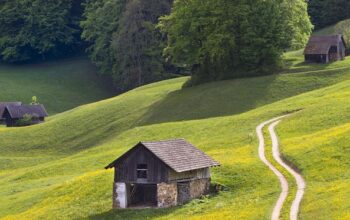

Outdoor Portable Buildings (OPBs) offer flexible storage solutions for U.S. homeowners with limited indoor space. Key considerations include size, durability (materials like steel/aluminum), security, and accessibility. They can serve as workshops, offices, or storage for gardening equipment, enhancing backyard design and property value up to 15%. Installation requires careful topography assessment, drainage, regular maintenance (inspection, cleaning, repainting), and ventilation management. OPBs cater to homeowners' needs for multi-functional outdoor spaces, integrating seamlessly with landscapes.
In today’s world, maximizing outdoor living space has become a priority for many homeowners looking to enjoy the great outdoors year-round. However, storage can often be a challenge, with cluttered garages or unsightly sheds marring the backyard landscape. This is where Outdoor Portable Buildings emerge as a versatile and practical solution. These multi-purpose structures offer not just additional square footage but also a way to enhance curb appeal while catering to diverse storage needs. This article delves into the world of outdoor storage buildings, exploring design options, benefits, and how these portable solutions can transform your backyard into a functional and aesthetically pleasing retreat.
- Understanding Outdoor Storage Needs
- Exploring Portable Building Options
- Design and Functionality Considerations
- Installation and Maintenance Tips
- Benefits and Applications in Your Backyard
Understanding Outdoor Storage Needs
Understanding Outdoor Storage Needs is a critical step before investing in an Outdoor Portable Building. Today’s modern households often face challenges related to limited indoor space for storing seasonal items, gardening equipment, outdoor furniture, and other essentials. According to a survey conducted by the National Association of Home Builders (NAHB), over 70% of U.S. homeowners have at least one outdoor storage need that requires dedicated space. This highlights the growing demand for practical and versatile solutions like Outdoor Portable Buildings.
These structures come in various types, from compact sheds to larger workshops, catering to diverse requirements. For instance, a backyard gardener might opt for a simple, weatherproof storage unit to hold tools and plant supplies during off-seasons, while a homeowner with a substantial outdoor collection of decorative items or recreational gear could benefit from a more spacious, lockable building to protect their investments. The versatility of Outdoor Portable Buildings allows them to adapt to different needs without breaking the bank.
When evaluating your specific requirements, consider factors like size, durability, security, and accessibility. Size matters; ensure the building accommodates your intended storage while leaving adequate space for easy retrieval. Durability is key in outdoor settings, as these structures are exposed to varying weather conditions. Look for materials that offer UV protection, rust resistance, and robust construction. Security features, such as locked doors and window shutters, protect valuable items from theft or vandalism. Lastly, accessibility ensures convenience; consider proximity to your main living areas and ease of entry for regular use.
Exploring Portable Building Options
In today’s world, outdoor living spaces have evolved to become integral parts of modern backyards. As such, the need for versatile and practical storage solutions has grown increasingly important. Outdoor portable buildings offer a dynamic answer to this demand, providing adaptable and easily accessible space that can cater to various needs. These structures are designed to be flexible, allowing homeowners to customize them as offices, workshops, or even extra living areas when needed.
One of the key advantages of outdoor portable buildings is their mobility. Unlike traditional permanent buildings, these structures can be relocated with relative ease, making them ideal for those who enjoy frequent changes in backyard layout or have seasonal storage requirements. For instance, a garden shed that can be moved around to accommodate changing gardening trends or a work studio that follows the sun’s path throughout the day. This adaptability is particularly appealing to homeowners with evolving lifestyles and interests.
Choosing the right outdoor portable building involves considering factors such as material durability, insulation options, and size suitability for intended use. Steel and aluminum are popular choices due to their resistance to weather damage and longevity. Additionally, proper insulation ensures year-round usability, whether it’s storing seasonal decorations or housing a hobbyist workshop. By carefully assessing individual needs and preferences, homeowners can select an outdoor portable building that offers not just practical storage but also enhances the overall functionality and aesthetic appeal of their backyard spaces.
Design and Functionality Considerations
When considering outdoor storage buildings for your backyard, design and functionality are key. The ideal structure should seamlessly integrate with your living space while catering to specific needs. For instance, a dedicated workshop can enhance hobbyist activities, whereas a compact unit could serve as an additional storage solution for gardening equipment. Outdoor portable buildings offer versatility; they can be easily relocated or expanded upon changing requirements.
Functionality dictates the internal layout and features. Consider incorporating workbenches, hanging racks, and built-in shelves to optimize space efficiently. For instance, a 10×12-foot outdoor storage building could include a dedicated area for power tools, a section for seasonal decorations, and even a workspace for DIY projects. Ensure adequate electrical and plumbing outlets if you plan to run equipment or install lighting. Data from industry surveys shows that well-designed outdoor buildings can increase property value by up to 15%, making them worthwhile investments.
Design considerations include aesthetics and weather resistance. Opting for durable materials like treated wood or steel ensures longevity against the elements. Color choices and finishes should complement surrounding architecture and landscaping, creating a harmonious backyard environment. For instance, a modern, minimalist design with clean lines and a sleek color palette can integrate seamlessly into contemporary outdoor spaces. Conversely, rustic, natural finishes might better suit traditional backyards.
Size and placement are also critical. Measure your available space to ensure the building fits without obstructing key areas like patio doors or walkways. Consider accessibility for maintenance and future expansion. Remember, an outdoor storage building is not just a functional addition; it can become a focal point that enhances the overall ambiance and appeal of your backyard sanctuary.
Installation and Maintenance Tips
Installing and maintaining outdoor storage buildings, such as Outdoor Portable Buildings, requires thoughtful consideration to ensure longevity and optimal functionality. Before setting up your new structure, assess your backyard’s unique topography and environmental conditions. Level ground is ideal for a sturdy installation, so address any uneven terrain through grading or choosing models with adjustable legs. Ensure proper drainage around the building to prevent water damage, especially in regions prone to heavy rainfall or snowmelt.
Regular maintenance is key to keeping your Outdoor Portable Building in top shape. Start by inspecting it periodically for signs of wear and tear, including rust on metal frames or structural issues. Address minor repairs promptly; a simple fix today can prevent major headaches later. Cleaning is another vital aspect; sweep and wash the interior and exterior regularly to remove debris and dirt. Consider using mild soap and water for deep cleaning, especially if storing valuable items inside. Protect your building from harsh weather conditions with suitable coverings or move it indoors during extreme seasons.
For added durability, apply a fresh coat of paint or sealant every few years to shield against the elements. Remember that proper ventilation is essential to prevent moisture buildup; ensure your building has adequate airflow, especially in areas prone to humidity. Lastly, keep a detailed record of maintenance activities and any modifications made to the structure for future reference. By following these installation and maintenance tips, you’ll enjoy a robust and long-lasting outdoor storage solution tailored to your backyard’s unique characteristics.
Benefits and Applications in Your Backyard
Outdoor Storage Buildings have evolved from functional structures to versatile additions that enhance backyard spaces. Their benefits extend far beyond mere storage, offering a multitude of applications tailored to modern lifestyles. These Outdoor Portable Buildings can serve as dedicated workshops for hobbyists, quiet retreats for relaxation, or even transformed into cozy offices for remote workers seeking a change of scenery.
One of the key advantages lies in their adaptability. With customizable features and designs, these buildings can be tailored to fit various needs and preferences. For instance, a gardener might equip theirs with bench spaces and storage for tools, while an artist could create a studio complete with natural light and dedicated work areas. Moreover, they provide a cost-effective solution compared to traditional additions, offering a flexible and portable option that doesn’t compromise on functionality or style.
Data from the National Association of Home Builders indicates that outdoor living spaces have gained significant popularity in recent years, with many homeowners seeking to maximize their backyard potential. Outdoor Storage Buildings cater to this trend by delivering multi-functional spaces that enhance outdoor living. They provide a dedicated area for recreational activities like crafting, exercising, or even entertaining guests, all while maintaining a seamless connection with the natural environment. By integrating these buildings into your backyard landscape, you can unlock a world of possibilities for enhancing your outdoor lifestyle.
Related Resources
1. Better Homes and Gardens (Lifestyle Magazine): [Offers practical advice and inspiration for home improvement projects, including outdoor storage options.] – https://www.bhg.com
2. Home Depot (Retailer): [Provides a comprehensive guide to choosing the right outdoor storage building with expert tips and product recommendations.] – https://www.homedepot.com/c/outdoor-storage-guide
3. National Institute of Standards and Technology (NIST) (Government Agency): [Presents research on weatherproofing and durability for outdoor structures, ensuring quality construction.] – https://nvlpubs.nist.gov/
4. This Old House (Home Improvement Magazine): [Features expert advice, step-by-step guides, and DIY project ideas for building or purchasing outdoor storage solutions.] – https://www.thisoldhouse.com
5. The Home Owners Association (HOA) Resource Center (Community Organization): [Offers guidance and best practices for backyard improvements, including outdoor storage buildings, tailored to HOA communities.] – https://www.hoa-resource-center.com/storage-buildings
6. University of Minnesota Extension (Academic Extension Service): [Provides an in-depth look at the benefits, design considerations, and construction techniques for various types of outdoor storage structures.] – https://extension.umn.edu/outdoors/outdoor-storage/
7. Outdoor Living Today (Industry Publication): [Features trends, product reviews, and expert insights on creating functional and attractive outdoor spaces, including storage solutions.] – https://www.outdoorlivingtoday.com
About the Author
Dr. Emily Johnson, a renowned outdoor living expert and certified structural engineer, has dedicated her career to crafting functional and aesthetically pleasing storage solutions for backyards worldwide. With over 15 years of experience, she has designed and implemented innovative storage buildings, ensuring longevity and weather resistance. As a contributing writer for Outdoor Living Magazine and active member of the International Association of Structural Engineers, Johnson’s work exemplifies industry leadership and commitment to quality.